
Top Tips From Career Services to Land a Summer Internship
What do 70 to 80% of successful job seekers have in common? They didn’t just apply, they networked their way in.
Career Services director Adam Capozzi says the same principle holds for landing a summer internship, and the students who figure that out early have a serious edge.
His three non-negotiables: start now, customize every application and treat networking as a skill worth practicing, not an afterthought.

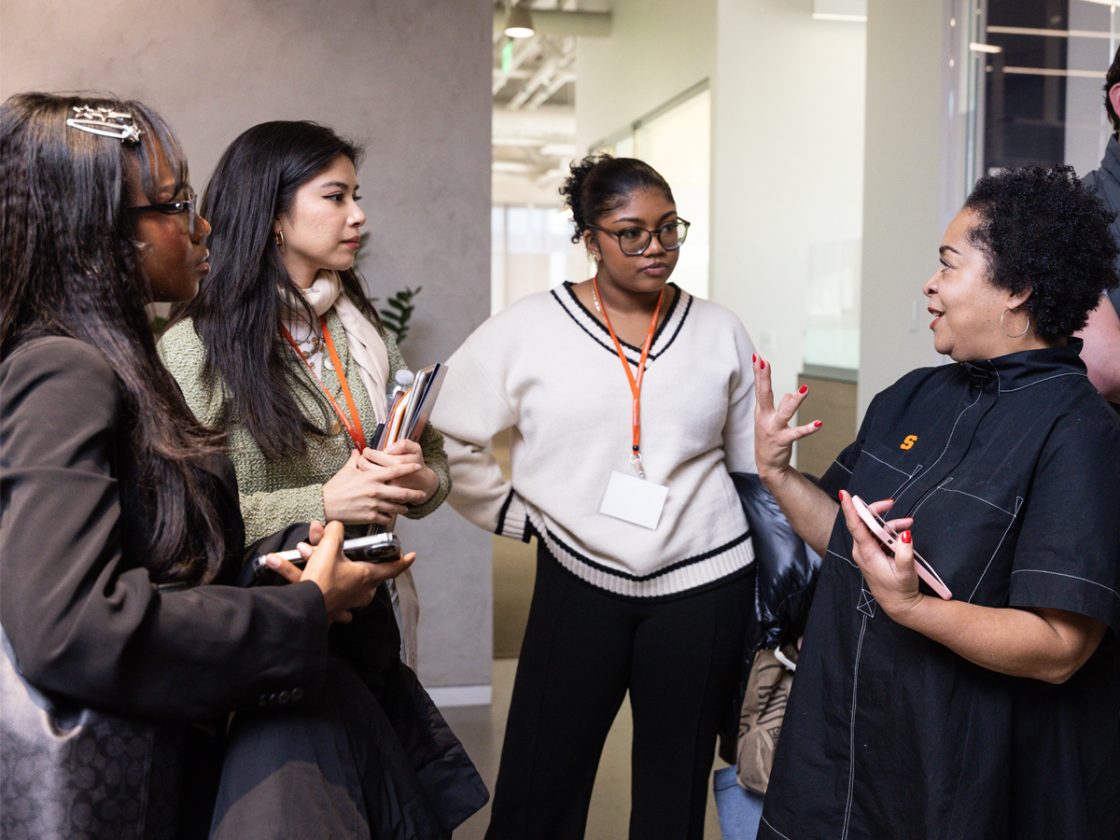
“In career services, we’re trying to prioritize soft skill development around networking and the importance of how to start conversations,” Capozzi says. “Informational interviews are low-pressure conversations where you have an opportunity to learn. You’re not asking for a job, you’re asking for knowledge.”
Make sure you’re using LinkedIn to the fullest, Capozzi says. Before an informational interview, check out their LinkedIn profile to see whether you both were part of the same club on campus. Then, you can use that as a soft opening to open the door to a meaningful conversation.
In this Q&A, Capozzi further explores what students should consider when applying for a summer internship and how Career Services can help them every step of the way.
What factors should students consider when seeking a summer internship?
The first big thing is field alignment, building toward your pre-existing career goals. I’d also focus on the potential impact of the opportunity, the skills, connections and experiences you will gain. Find something that interests you and then apply.
Then focus on the details:
- When is the internship going to happen?
- Where is the internship?
- What will you do about housing?
- What is the compensation?
- Does the internship come with academic credit?
All that needs to be part of the thought process when considering what is the best course of action.
The University established the Internship Funding Award to provide financial support for students taking on a summer internship. Sophomores and juniors of all majors are encouraged to apply. The application deadline is June 9.

What advice do you have for students who are still looking to secure an internship?
Start off by applying strategically, not randomly. Rely on quality over quantity and track your applications throughout this process so you know what to focus on. Leverage multiple channels of connectivity, from internal job boards like Handshake to direct outreach via LinkedIn to connecting with different faculty members and departments on campus. Your faculty are great resources to connect you with individuals who have been where you are and are now doing the work you want to be doing.
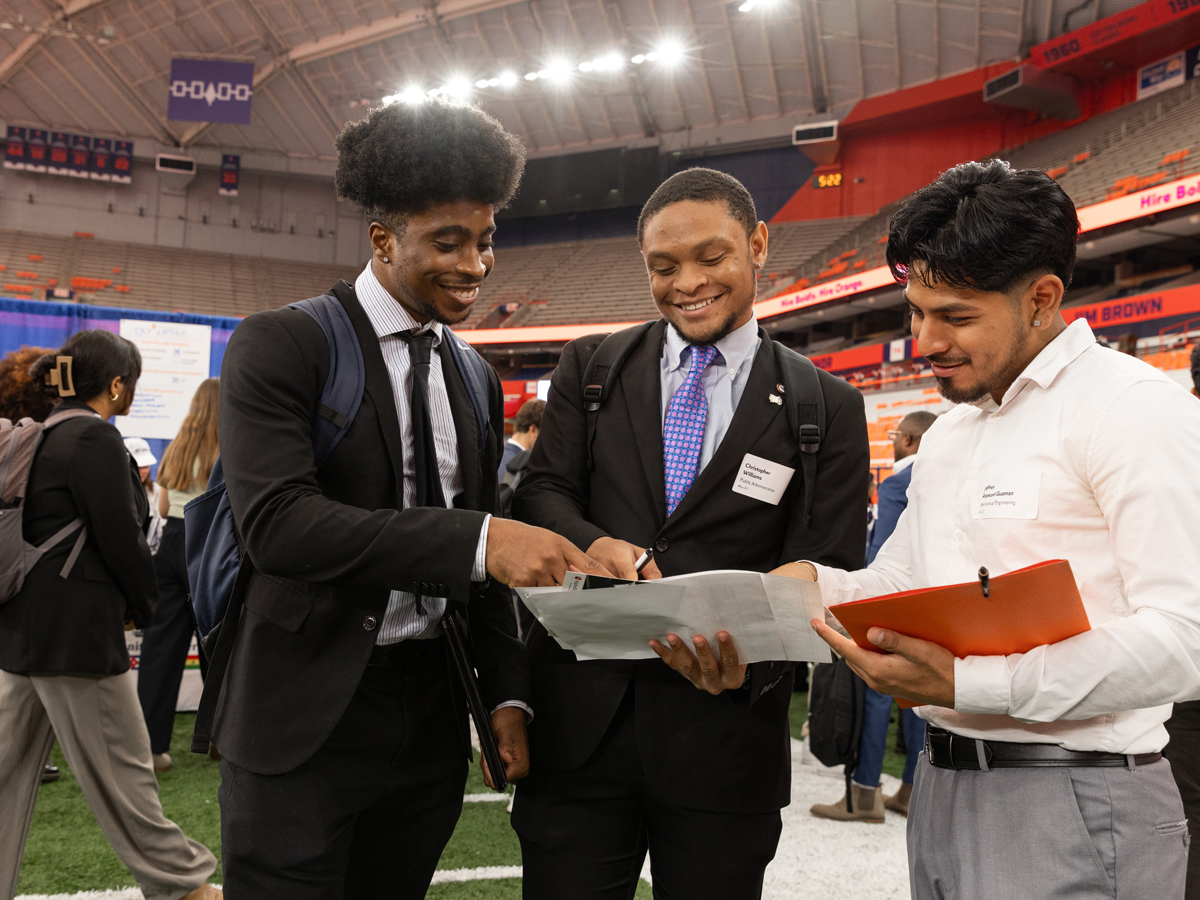
Attend the big on-campus and off-campus career fairs, the Spring 2026 Career Conference (March 26-27), workshops, alumni networking events and other programming at your disposal.
The last part is to follow up personally with anyone you’re engaging with in this process. Your follow-through will have an impact on the way you are seen and thought of in a way that could potentially lead to an opportunity. Send those personalized thank-you notes after every interview and conversation.

Should students apply broadly or be specific and intentional when applying?
Look at it as a tiered approach. First, there’s your dream roles, which is always someone’s first preference to go after. That’s usually five to 10 high priority positions. Invest significant amounts of time customizing your materials, doing your research and making the right connections so you have a leg up through the application process.
Tier two are the strong fits. You see the job application, understand your role and what you’ve accomplished so far and see that there’s a great alignment. Think of 15-25 roles where you broaden your search and customize your materials to fit these positions.
Tier three are the exploratory roles, back in the 5-10 range. These will test your skills and offer an opportunity to build off an interest you have as you look to strengthen your skills.
Career Services Resources
- Handshake: Your 24/7 online career hub, showcasing all the programs, events, job opportunities and everything in between to enhance your professional skills.
- VMock: A resume-building tool that helps set the tone for students who want to start building or enhancing their resume.
- Big Interview: Lets you refine your elevator pitch by practicing different questions and scenarios to showcase your skills and improve the interview process.
- Interstride: A great tool for international students, showcasing the aspects of the H-1B Visa process and the search for global career opportunities.
- Firsthand: Connects students with valuable individuals who are part of the Orange network to provide networking support and career guidance.
- Ask Orange Alumni: Links students with alumni who can serve as a sounding board as they explore career options.
The post Top Tips From Career Services to Land a Summer Internship appeared first on Syracuse University Today.